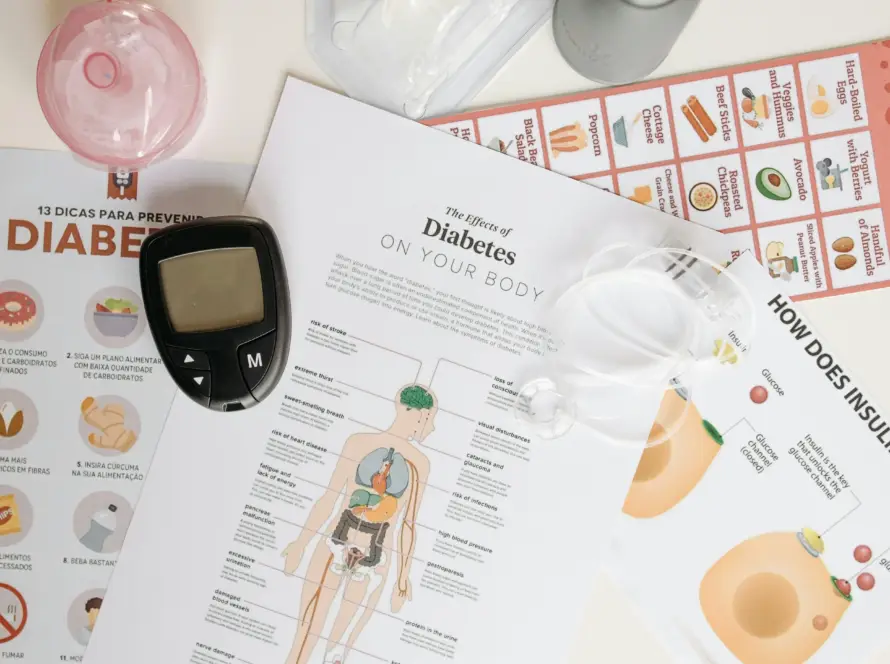
For many patients, receiving a lab report can be both relieving and confusing. You’ve done the tests, received the results — but what do all those abbreviations, numbers, and ranges actually mean? Understanding your lab report empowers you to take charge of your health, ask better questions during your medical visits, and monitor your progress over time.
At ACMC, our Diagnostics & Screening Services provide detailed yet easy-to-interpret lab reports. Still, it helps to know what your results mean and when to follow up with your doctor. This guide breaks down the essentials.
Why Lab Reports Matter
A lab report is more than a list of numbers — it’s a snapshot of your body’s internal balance. Whether you are monitoring liver function, checking blood sugar, or screening for infections, lab tests help detect early disease, track treatment response, and guide medical decisions.
Doctors at ACMC’s Internal Medicine Department emphasize that timely interpretation of results can prevent complications and help personalize treatment. For example, slightly abnormal liver enzymes might seem minor, but combined with your history, they may signal early fatty liver or medication side effects.
Understanding the Layout of a Lab Report
A typical lab report contains the following sections:
- Patient Information – Your name, age, gender, and hospital ID.
- Test Names and Codes – The exact tests performed (e.g., CBC, LFT, RFT).
- Results – The actual numerical values.
- Reference Ranges – Normal limits for a healthy adult (may vary by age/sex).
- Units – The measurement scale (e.g., mg/dL, IU/L).
- Comments or Flags – “H” (High), “L” (Low), or notes from the lab technologist.
If any result falls outside the normal range, it doesn’t automatically mean disease — interpretation depends on context, medical history, and follow-up testing.
Common Blood Tests and What They Mean
1. Complete Blood Count (CBC)
A CBC gives a detailed picture of your blood cells:
- Hemoglobin (Hb): Indicates oxygen-carrying capacity. Low levels mean anemia, while high may suggest dehydration or lung disease.
- White Blood Cells (WBC): Reflect immune status. Elevated counts often signal infection or inflammation.
- Platelets: Help in clotting; low levels can cause easy bruising or bleeding.
Your Internal Medicine Specialist will compare these values with your symptoms to decide if treatment or further testing is needed.
2. Liver Function Tests (LFTs)
These measure enzymes and proteins that indicate how well your liver works:
- ALT (Alanine Aminotransferase) and AST (Aspartate Aminotransferase): High values may point to hepatitis, fatty liver, or medication effects.
- ALP (Alkaline Phosphatase): Elevated in bile duct or bone disorders.
- Bilirubin: Measures liver’s ability to clear waste; high levels cause jaundice.
- Albumin & Total Protein: Indicate liver’s synthetic function.
Patients being monitored under ACMC’s Liver & Hepatitis Services often rely on LFT trends rather than a single reading to track disease stability or recovery.
Suggested Read: Fatty Liver and PCOS: What Women in Pakistan Should Know
3. Kidney Function Tests (RFTs)
These check how effectively your kidneys filter blood:
- Creatinine & Urea: High levels can signal kidney stress or dehydration.
- eGFR (Estimated Glomerular Filtration Rate): Shows how well kidneys filter wastes — lower numbers mean reduced function.
- Electrolytes (Sodium, Potassium, Chloride): Reflect hydration and heart rhythm balance.
Patients with chronic illness or hypertension often benefit from routine checks via ACMC’s Diagnostics Laboratory.
4. Blood Sugar & Diabetes Screening
Monitoring blood glucose helps detect and manage diabetes:
- Fasting Blood Sugar (FBS): Measures glucose after 8–10 hours of fasting.
- HbA1c: Reflects your average blood sugar over the past three months.
- Random Blood Sugar (RBS): Indicates current glucose levels.
A high HbA1c value means blood sugar has been elevated for a long period. Your doctor at ACMC’s Metabolic & Weight Management Clinic can help design a balanced nutrition and exercise plan to lower it safely.
5. Lipid Profile
A lipid profile measures cholesterol and triglycerides, key indicators of heart health:
- Total Cholesterol – Ideal is under 200 mg/dL.
- LDL (“Bad”) Cholesterol – High levels increase heart risk.
- HDL (“Good”) Cholesterol – Protects arteries; higher values are beneficial.
- Triglycerides – Elevated levels often result from poor diet, diabetes, or alcohol.
Maintaining a healthy lipid profile reduces the risk of heart and liver diseases. ACMC offers integrated testing and nutritional counseling through its Preventive Health & Internal Medicine program.
Suggested Read: Balancing Blood Sugar: Daily Habits That Help Manage Type 2 Diabetes
6. Thyroid Function Tests (T3, T4, TSH)
These assess how your thyroid gland controls metabolism.
- High TSH, low T4: Suggests hypothyroidism.
- Low TSH, high T4: Indicates hyperthyroidism.
Thyroid levels can influence weight, mood, and energy. Regular screening ensures early diagnosis and management.
7. Viral Markers & Infections
Infection tests like HBsAg, HCV Antibody, or HIV Screening help detect viruses that may silently damage organs.
At ACMC, all such tests are performed with strict confidentiality and safety under our Diagnostics & Screening division.
Understanding Reference Ranges
Each lab test includes a reference range — the average value for a healthy person. It’s important to note:
- Ranges can vary between labs depending on equipment and methodology.
- A slightly “high” or “low” result doesn’t always mean disease.
- Certain factors like fasting status, medications, stress, or dehydration can affect results.
Your doctor’s role is to interpret trends — one abnormal reading might be insignificant, but consistent patterns can reveal valuable insights.
Interpreting Abnormal Results
If your report shows abnormal values, here’s how to approach it:
- Stay calm: One irregular number doesn’t mean a diagnosis.
- Check for consistency: Repeat the test if your doctor recommends it.
- Discuss context: Share your medical history, medication list, and symptoms.
- Follow the doctor’s plan: Sometimes, lifestyle changes normalize results faster than medication.
- Monitor progress: Use follow-up reports to track improvements or early warning signs.
For example, a patient with mildly elevated ALT may normalize it by avoiding alcohol, adjusting medications, and improving diet — all guided by ACMC’s Liver & Hepatitis Clinic.
How ACMC Helps You Understand Your Reports
At ACMC, we believe that understanding your results is the first step to better health. Our approach includes:
- Doctor-led consultations: Your results are reviewed and explained clearly.
- Digital access: Patients can view and download reports securely through our online system.
- Follow-up care: Abnormal findings trigger automatic referral to relevant specialists (e.g., Liver, Endocrinology, Internal Medicine).
- Preventive counseling: Our Preventive & Diagnostic Services promote early disease detection and patient education.
Suggested Read: Top Preventive Screenings for Early Detection of Liver Disease
Quick Tips for Patients
- Always bring your previous reports to follow-up visits.
- Avoid interpreting results through internet searches — context matters.
- Don’t panic about minor variations; focus on long-term trends.
- Ask your doctor to explain what lifestyle or dietary steps can help normalize results.
- Keep copies of your reports; they’re valuable for second opinions or emergencies.
FAQs
1. Why are lab tests important?
They help detect early diseases, guide treatment, and monitor progress. Regular testing through ACMC ensures accurate diagnosis and timely care.
2. How often should I get my labs checked?
It depends on your health condition. Healthy adults may need annual screening, while chronic patients require more frequent testing as advised by ACMC doctors.
3. Can I interpret my lab report myself?
You can understand the basics, but only your doctor can interpret results accurately. Bring your reports to ACMC’s Internal Medicine specialists for review.